Kashmiri saffron
Kashmir is known as the Valley of Flowers. Among the various crops in this region, saffron has a special place in terms of importance and use. Saffron is cultivated in two regions of Kashmir. One of these two regions is known as Pampur. This region is world famous for saffron cultivation. For this reason, it is called the Saffron City of Kashmir. This green city is considered as a very excellent and pleasant environment for saffron cultivation.
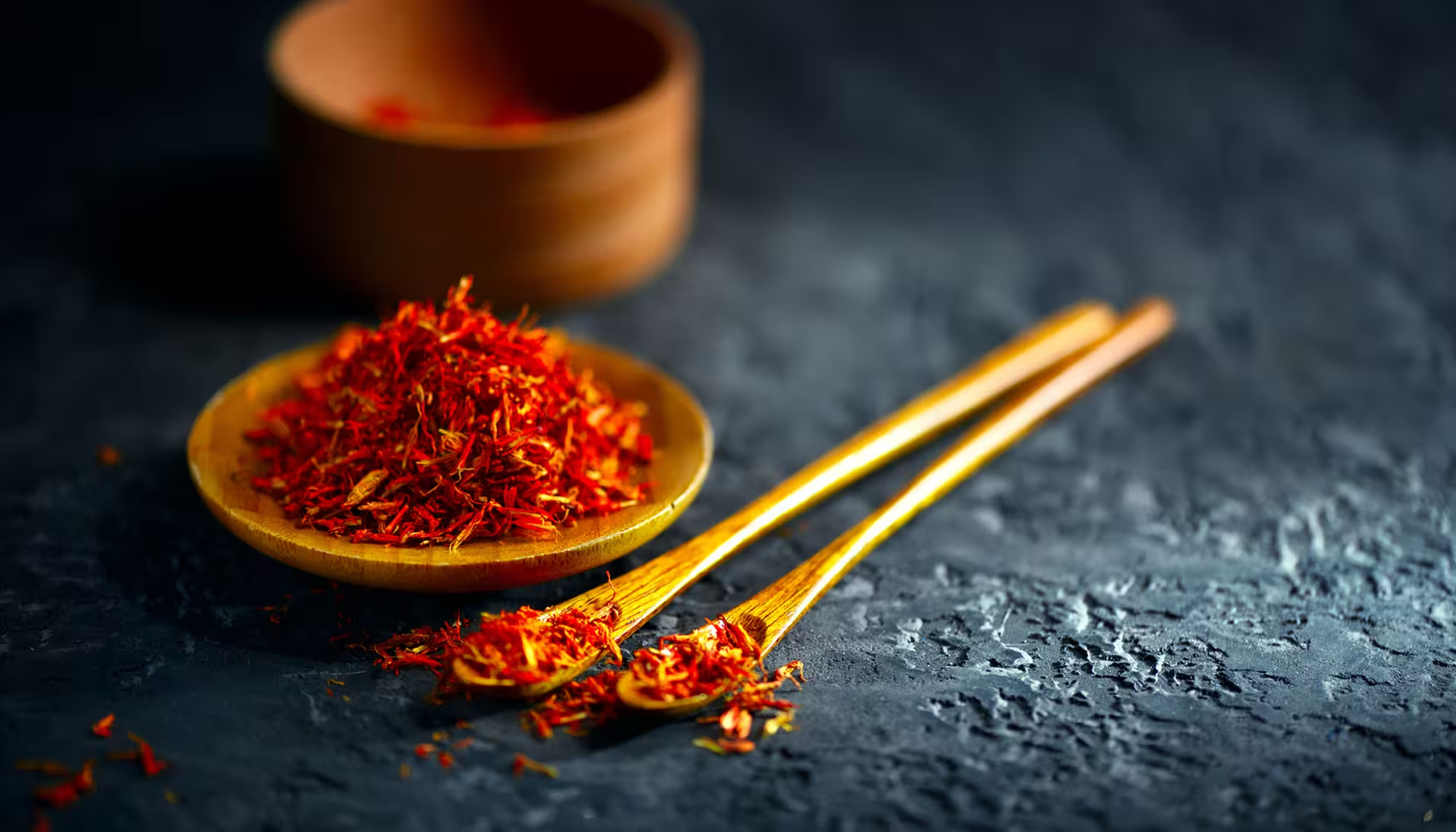
The characteristics of Kashmiri saffron include its long and thick stigmas. These filaments are dark red in color. The quality of the soil, suitable climate, and the large size of the saffron filaments in these regions are the main factors for the large size of the saffron filaments in these regions. There are three types of saffron in Kashmir. Lachha saffron, Mongra saffron, and Zarda saffron. Kashmiri saffron is considered an important product in cooking with its pleasant aroma and distinct flavor. While Iran accounts for about 70 percent of the world’s saffron production, some believe that Kashmiri saffron has the highest quality in the world.
While saffron is cultivated in limited areas outside of Iran, there is no competitor to Iranian saffron in terms of taste, color, and quality.
There are several important points in terms of quality in saffron.
- The production date and timely harvesting of saffron are of great importance.
- The method of cultivating saffron is of vital importance in its quality.
Coloring power is considered the only measurement tool to ensure the desired quality of saffron.
Iranian saffron is generally a lacquer red color with the ends lighter than the rest. These factors distinguish good quality saffron from poor quality.
- Saffron has a strong and fresh aroma.
- There is no visible damage to the bottom of the container.
- There are no yellow or white areas with red streaks.
- Saffron strands are dry and brittle.
Iran exports many of its agricultural products, and saffron is one of them. About 70 percent of the world’s demand for this product is met through Iran. Iran produces about 250 tons of saffron annually. Many believe that the first group of people to use saffron in their food products were Iranians.
1403/07/16
 2
2